
5 ways to Resolve Legal Construction Disputes
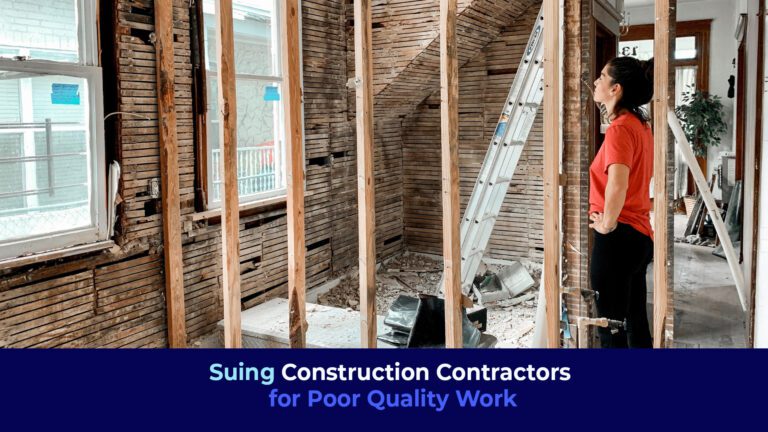
Construction disputes that result in legal action can be complex and time-consuming to resolve.
However, there are steps that can be taken to try and resolve the issue without resorting to costly and lengthy legal proceedings.
- Try to resolve the issue informally: Before taking any legal action, it is often worth trying to resolve the issue informally. This could involve discussing the problem with the contractor and attempting to come to an agreement on how to move forward. If the issue is relatively minor, this may be all that is needed to resolve the dispute.
- Use mediation or arbitration: If informal attempts at resolution have failed, consider using mediation or arbitration to resolve the dispute. These alternatives to court proceedings can often be faster and less costly than going to court, and they can be especially useful in construction disputes where the parties have an ongoing business relationship that they want to preserve.
- Seek legal advice: If the issue cannot be resolved informally and mediation or arbitration is not an option, parties may need to seek legal advice. An experienced Florida construction disputes lawyer can review the specifics of the case and advise on the best course of action, including whether it is worth pursuing a legal claim against the contractor.
- Consider small claims court: If the dispute is over a relatively small amount of money and significant damages are not being sought, a claim may be filed in small claims court. This is a less formal and less expensive option than going to civil court, but it is important to be aware that the damages that can be sought in Florida small claims court are generally limited to no more than $8,000. Homeowners seeking recourse through small claims may do so without legal representation by following the instructions found on the Florida Courts website.
- Use the construction industry’s complaints procedures: Many professional construction organizations have complaints procedures in place that can be used to resolve construction disputes with contractors. For example, if the contractor is a member of the National Association of Home Builders, the contracting parties may be able to file a complaint with the organization and seek a resolution through its dispute resolution process.
“Before taking any legal action, it is often worth trying to resolve the issue informally.”
Regardless of the route taken to try and resolve the dispute, it is important to keep accurate records of all communication and any agreements made with the contractor. This will help to establish the case if the issue cannot be resolved and there is a need to take further legal action.
Resorting to a Mechanics Lien
For contractors not paid for work or materials provided on a construction project, it is important to seek legal advice to understand the options available for securing payment.
In Florida, one of these options is a mechanic’s lien. A mechanic’s lien is a legal mechanism that allows contractors, subcontractors and material suppliers to secure payment for work or materials provided to a construction project. If a party providing work or materials is not paid for their services, they can file a mechanic’s lien against the property being improved.
To file a mechanic’s lien in Florida, the party seeking payment must first send a notice of nonpayment to the property owner. If payment is not received within 30 days, the party can file a mechanic’s lien against the property. The lien will be recorded in the county where the property is located and will remain in effect until the debt is paid or the lien is released.
If the debt is not paid, the party with the mechanic’s lien can file a lawsuit to foreclose on the property and force a sale to pay off the debt. It is important to note that mechanic’s liens have priority over most other debts and claims against the property, including mortgage loans.
It is important for contractors, subcontractors, and material suppliers to understand their rights and the process for filing a mechanic’s lien in Florida.
Responding to a Mechanic’s Lien
Property owners who suddenly find themselves served mechanics liens due to construction disputes, have options to respond and potentially resolve the mechanic’s lien in their favor.
South Florida Law
Resolving a dispute in the construction industry can be a mammoth task fraught with liability and full of heavily regulated processes. Be sure not to go it alone. Construction professionals and contracting parties can rely on an experienced construction attorney from South Florida Law to draft and deliver notices, advise on processes, mediate and litigate. We are a law firm with the attention to detail of a boutique law firm but with big law firm resources. We are able to provide our clients with both attention to detail and the resources needed to overcome challenges. Are you a construction company decision-maker or a developer looking for a legal partner? If so, reach out to us today at (954) 900-8885 or via our contact form.