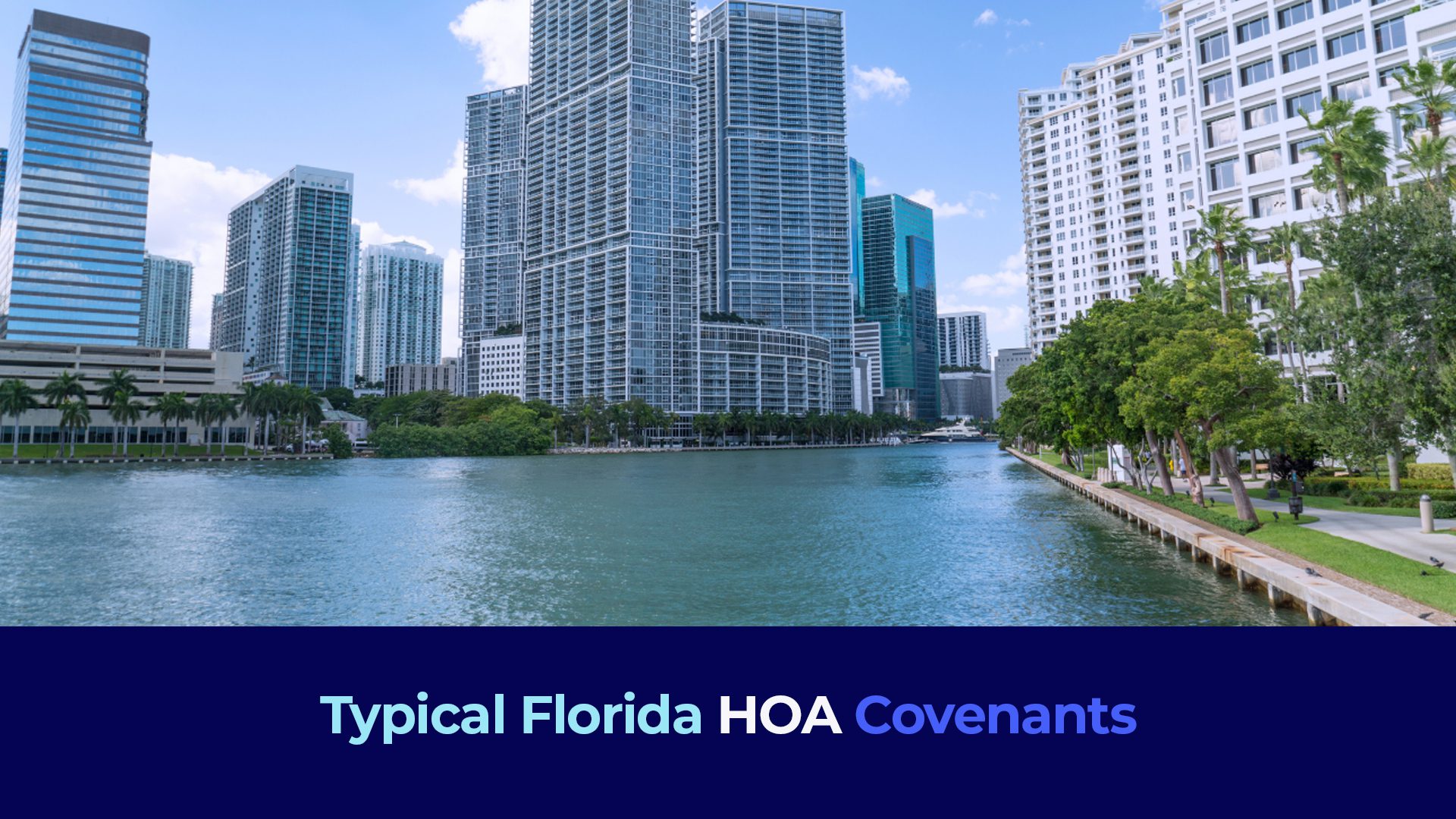
Typical Florida HOA Covenants
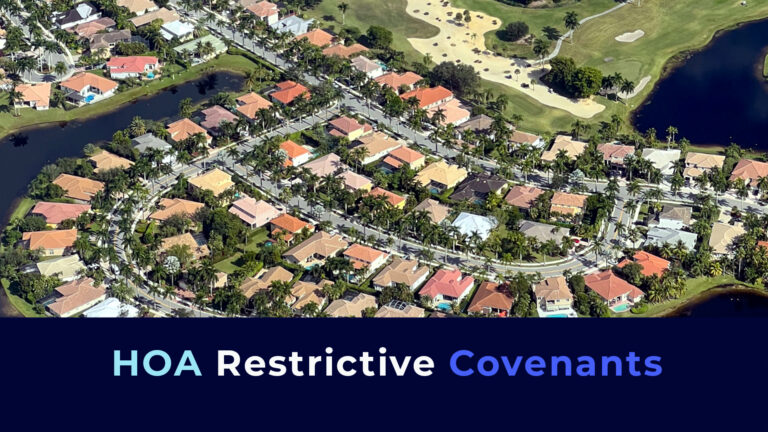
Florida homeowners associations use covenants to protect property values and keep communities consistent. Most declarations cover the same core subjects: exterior changes, landscaping, vehicles, rentals, pets, home businesses, decorations, and trash. Chapter 720 of the Florida Statutes now limits how far Florida HOA covenants can reach, so a restriction in a recorded declaration is not always enforceable.
HOA Covenants Affecting Architectural Controls
Most communities require approval before exterior changes such as paint colors, additions, fences, and new windows. Under Section 720.3035, that review authority reaches only as far as the declaration states or reasonably implies. An association cannot regulate a home’s interior where it is not visible from the street, or deny hurricane protection that meets the specifications its board must adopt. Owners may also hire contractors who are not on an association’s preferred vendor list.
“A restriction in a recorded declaration is not always enforceable.”
Landscaping and Maintenance
Landscaping covenants commonly address grass height, tree trimming, weed control, and approved plants. These rules remain enforceable, but no covenant can prohibit Florida-friendly landscaping, which favors drought-tolerant plants. Section 720.3045 also protects items not visible from the street, a neighboring parcel, common area, or a golf course, such as backyard artificial turf and vegetable gardens.
Vehicle Restrictions
Vehicle covenants often limit how many cars a household may keep and restrict boats, trailers, and motor homes. Since July 1, 2024, Section 720.3075 bars covenants that keep a personal vehicle, including a pickup truck, out of the owner’s driveway. Work vehicles in the driveway are protected regardless of logos or lettering, unless they qualify as commercial motor vehicles. Boats and RVs stored out of view are protected, and under Section 720.318 first responders may park assigned vehicles wherever they otherwise have a right to park, including on public roads.
Rental Restrictions
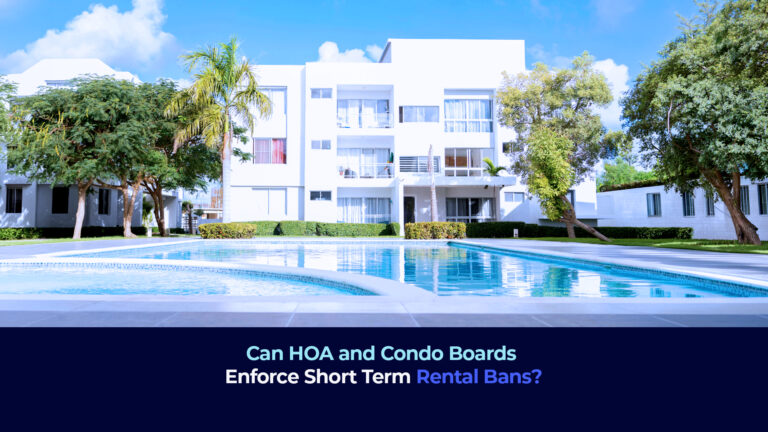
Many Florida HOAs set minimum lease terms, screen tenants, or require board approval of leases. Under Section 720.306, a rental restriction adopted after July 1, 2021 generally binds only owners who acquire title afterward or who consent to it. Amendments that restrict rentals shorter than six months, or cap rentals at three times per calendar year, apply to every owner. So a new ban on all leasing binds only future buyers and consenting owners, while a new ban on stays under six months binds everyone. It is highly recommended that buyers have an experienced Florida real estate attorney review the recorded covenants before closing.
Pet Restrictions
Pet covenants may limit species, breeds, size, and the number of animals per household. These limits do not override fair housing protections. Under federal law and Section 760.27, an association must treat a request for an assistance animal, including an emotional support animal, as a request for reasonable accommodation.
Business Use Restrictions
Many declarations ban or limit home businesses, customer traffic, and signage. Section 559.955 limits how cities and counties regulate home-based businesses, but it expressly leaves HOA declarations in force. A covenant barring customer visits therefore remains enforceable even where local zoning would allow them.
Holiday Decorations and Flags
Seasonal rules usually set when decorations go up and come down. Since July 1, 2024, an association cannot fine an owner for leaving decorations up too long unless they remain more than one week after written notice. Under Section 720.304, owners may also display up to two portable flags from a statutory list that includes the American flag, military flags, and a first responder flag.
Trash and Recycling
Trash covenants specify where containers are stored and when they go to the curb. An association cannot fine an owner for leaving containers at the curb or end of the driveway within 24 hours before or after scheduled collection.
Enforcement Mechanisms
Under Section 720.305, a fine requires at least 14 days written notice describing the violation and how to cure it. A hearing follows before a committee of at least three members who are not officers, directors, or employees. A violation cured before the hearing cannot be fined. Fines are capped at $100 per violation and $1,000 in the aggregate unless the governing documents allow more.
South Florida Law
A covenant that was enforceable when it was recorded may not be enforceable today. Checking the declaration against current Florida law before a purchase or an enforcement action costs far less than a dispute afterward.
South Florida Law represents homeowners and associations throughout Florida and is also a full-service title agency. The firm reviews recorded declarations for buyers before closing and helps associations bring their governing documents up to date. To discuss a covenant question, call us on (954) 900-8885 or reach out via our contact form.